The short answer: you do not have to give up wine, bread, and cheese to eat high protein or low calorie. Lead with the cheeses that give you the most protein per calorie (Parmigiano Reggiano, Swiss, part skim mozzarella, cottage cheese), pour a measured 5 ounce glass of a dry, lower alcohol wine (about 110 to 125 calories), and choose one good slice of sprouted grain or sourdough bread instead of a basket. Fill the rest of the board with vegetables, fruit, and lean protein.
We love a long, lingering cheese board as much as anyone. But a lot of us are also counting protein grams or watching calories, especially between the holidays and New Year’s. The good news is that wine, bread, and cheese can fit into both styles of eating with a few smart choices. Here is how we do it.
This article is general information, not medical or nutrition advice. If you follow a specific diet for a health condition, or you have questions about alcohol and your health, talk with your doctor or a registered dietitian.
Why Wine, Bread, and Cheese Can Fit a High Protein Diet
Cheese is one of the most protein dense foods on the table. A single ounce of an aged hard cheese can carry 7 to 10 grams of protein. The challenge is that cheese also carries fat, so the calories add up quickly if you graze without a plan. Wine adds calories but no protein, and bread adds carbohydrates with a little protein. The trick is to let cheese and other proteins do the heavy lifting, then treat wine and bread as the supporting cast.
A helpful way to think about it is protein per calorie. The more grams of protein you get for every 100 calories, the more a food helps you hit your protein goal without blowing your calorie budget.
The Best Cheeses for High Protein and Low Calorie Diets
Numbers below are approximate and per 1 ounce (about 28 grams) unless noted. Brands vary, so check the label on the cheese you buy.
| Cheese | Calories | Protein | Why it works |
|---|---|---|---|
| Low fat cottage cheese (1/2 cup) | about 90 | about 12 g | The protein per calorie champion. Great as a savory dip with herbs. |
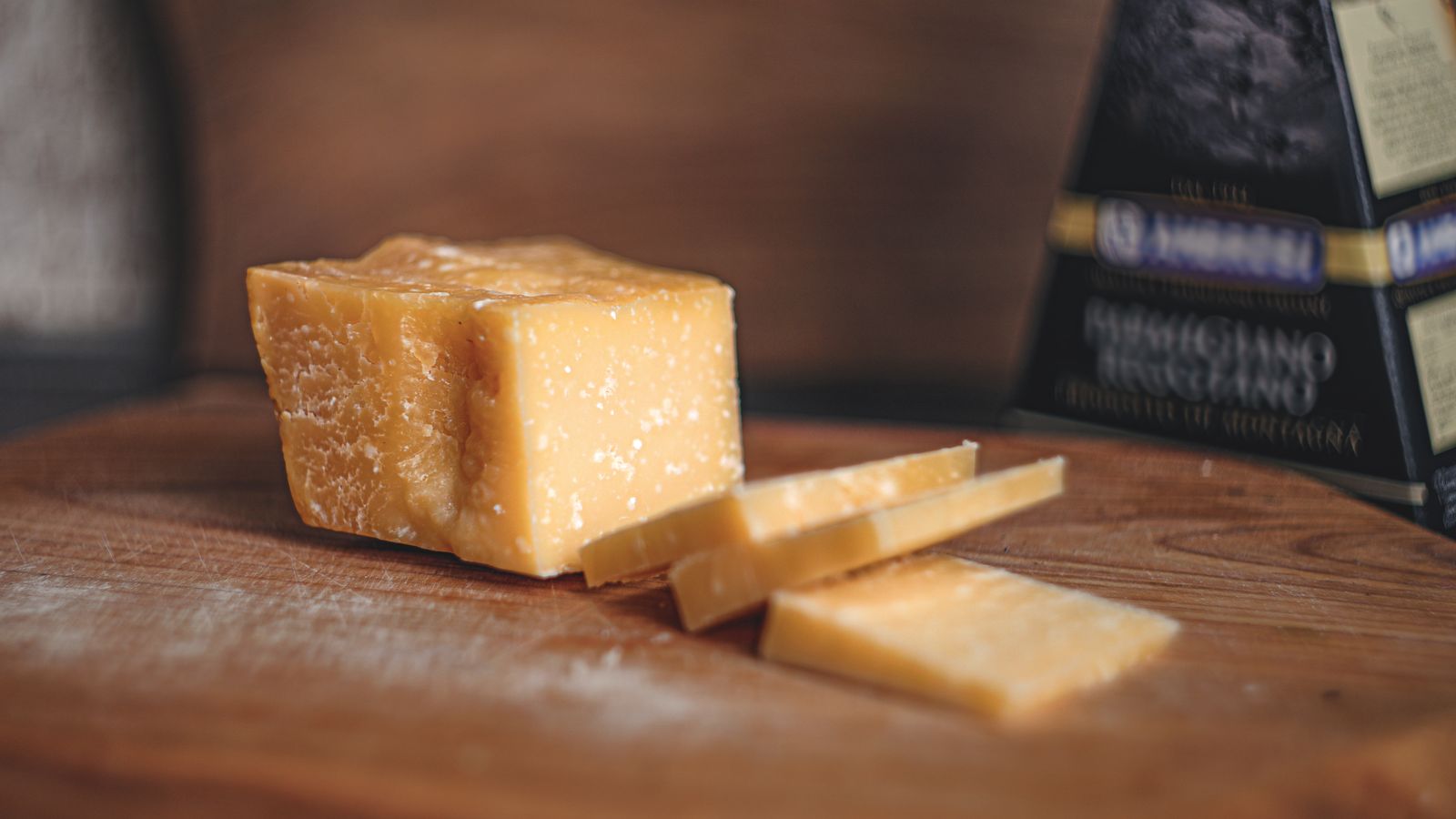
| Parmigiano Reggiano | about 110 | about 10 g | Huge flavor, so a little goes a long way. Break it into small chunks. |
| Part skim mozzarella | about 70 to 85 | about 7 g | Lean, mild, and easy to portion as sticks or pearls. |
| Part skim ricotta (1/4 cup) | about 85 | about 7 g | Whip with lemon zest and black pepper for crostini. |
| Swiss or Emmental | about 110 | about 8 g | Thin slices feel generous on a board. |
| Gruyere | about 115 | about 8 g | Nutty and satisfying, so you eat less. |
| Aged cheddar | about 115 | about 7 g | Choose extra sharp for more flavor per bite. |
| Brie or Camembert | about 95 | about 6 g | Creamy indulgence. Keep the portion to one wedge. |
| Fresh goat cheese | about 75 | about 5 g | Tangy and lower in calories than most soft cheeses. |
| Feta | about 75 | about 4 g | Bold and salty, perfect crumbled over vegetables. |
If protein is your priority, build around cottage cheese, Parmigiano Reggiano, part skim mozzarella, and Swiss. If calories are your priority, lean on goat cheese, feta, and mozzarella, and use small amounts of the strongest flavored cheeses. Learn more about each family in our types of cheese guide and our Parmigiano Reggiano guide.
How Many Calories Are in a Glass of Wine?
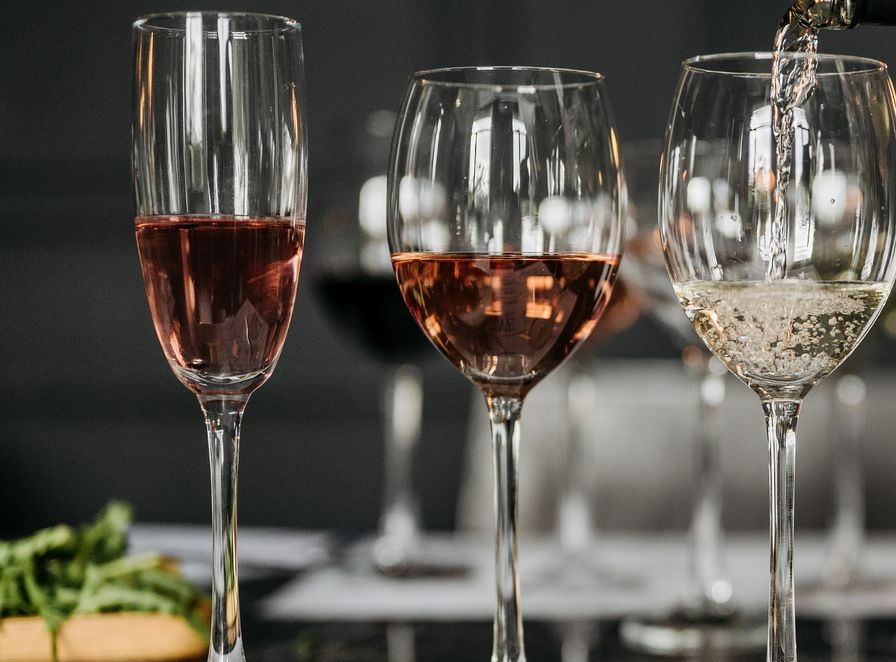
Most of the calories in wine come from alcohol, which has about 7 calories per gram, plus any sugar left in the wine. That means two things matter most: alcohol level and sweetness. Approximate calories for a standard pour:
- Dry white or rose, 5 oz: about 110 to 125 calories
- Dry red, 5 oz: about 120 to 130 calories
- Brut or extra brut sparkling, 4 oz flute: about 80 to 95 calories
- Higher alcohol reds (14.5% and up), 5 oz: about 135 to 150 calories
- Port or dessert wine, 3 oz: about 130 to 165 calories
- Non alcoholic wine, 5 oz: often 20 to 60 calories, depending on the style
Lower Calorie Wines to Look For
- Vinho Verde and Muscadet: crisp, light whites that are often 9 to 12% alcohol.
- Extra brut or brut nature sparkling wine: very little added sugar, and the smaller flute pour helps.
- Dry Riesling, Pinot Grigio, and Sauvignon Blanc: refreshing and usually moderate in alcohol.
- Lighter reds like Pinot Noir, Gamay (Beaujolais), and Frappato: lower in alcohol than big Cabernets and Zinfandels.
A few habits help more than any one bottle: measure a true 5 ounce pour once so you know what it looks like in your glass, sip water between glasses, and decide on your number of glasses before the cork comes out. Alcohol has calories but no protein, and it can make you hungrier, so health guidelines recommend limiting it. If you want the ritual without the alcohol, see our guide to non alcoholic wine.
How to Keep Bread in a High Protein or Low Calorie Diet
Bread is usually where the calories sneak in, because a basket on the table disappears one piece at a time. Make every slice count instead.
- Choose sprouted grain bread. Many sprouted breads have about 80 calories and 4 to 5 grams of protein per slice, more protein than most white breads.
- Try real sourdough. Its tangy flavor and chewy texture make one slice feel satisfying.
- Go thin. Slice a baguette very thin and toast it into crostini. Four small crostini give you crunch for a fraction of a thick slice. Here is how to make crostini.
- Swap some bread for vegetables. Cucumber rounds, endive leaves, radishes, and sugar snap peas are crisp, nearly calorie free vehicles for cheese and dips.
- Pair bread with protein. Bread with cheese, ricotta, or smoked salmon is more filling than bread on its own.
For flavor matching, see our guide to the best breads for a cheese board.
How to Build a High Protein Cheese Board
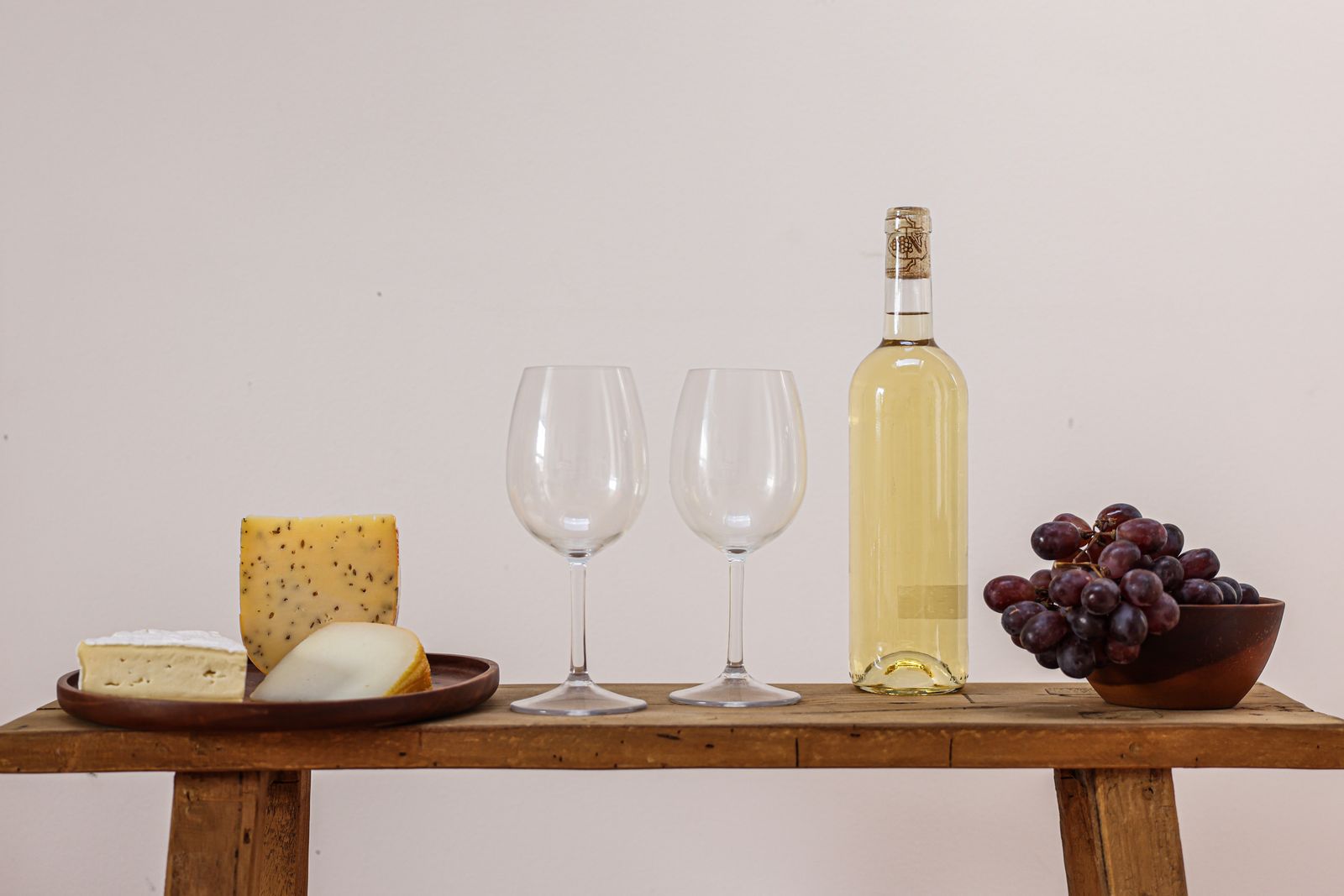
- Start with two lean, high protein cheeses, such as Parmigiano Reggiano chunks and part skim mozzarella pearls.
- Add one indulgent cheese, like Brie or a creamy blue, and cut it into small portions.
- Add lean protein: sliced turkey breast, prosciutto, smoked salmon, or shrimp.
- Add a protein dip: herbed cottage cheese, whipped ricotta, or Greek yogurt with garlic and dill.
- Fill half the board with produce: cucumbers, cherry tomatoes, endive, snap peas, grapes, apple slices, and berries.
- Finish with small amounts of nuts, olives, and crostini or sprouted grain toasts.
Want the full method? Our ultimate charcuterie board guide covers layout and quantities.
Our Wine Night Plate: About 425 Calories and 24 Grams of Protein
This is what a balanced wine and cheese evening looks like for us when we are watching calories and protein. Numbers are approximate.
- One 5 oz glass of dry white or Pinot Noir: about 120 calories
- 1 oz Parmigiano Reggiano: about 110 calories, 10 g protein
- 1 oz part skim mozzarella: about 75 calories, 7 g protein
- 1 slice sprouted grain bread or 4 thin crostini: about 80 calories, 4 to 5 g protein
- A big handful of vegetables and a few grapes: about 40 calories, 2 g protein
Total: about 425 calories and 24 grams of protein, with plenty of crunch and a real glass of wine.
High Protein Dinners That Love Wine
If wine is part of dinner rather than a snack, pair it with lean protein so the meal does the work.
- Roast or grilled chicken: Chardonnay or Pinot Noir. See what wine goes with chicken.
- Salmon: Pinot Noir, dry rose, or Chablis. See what wine goes with salmon.
- Lean steak like sirloin or flank: Cabernet Sauvignon, Malbec, or Rioja. See what wine goes with steak.
- Shrimp or white fish: Albarino, Vinho Verde, or Sauvignon Blanc.
- Turkey breast: Beaujolais or dry Riesling. See our Thanksgiving wine pairing guide.
Smart Swaps
- Big Zinfandel or Amarone → Pinot Noir or Beaujolais
- Sweet sparkling or Moscato → extra brut sparkling
- Second glass of wine → a wine spritzer with sparkling water, or a non alcoholic wine
- Crackers → cucumber rounds, endive, or thin crostini
- Triple cream cheese as the main event → Parmigiano Reggiano, Swiss, or mozzarella as the main event, with triple cream as an accent
- Bread basket → one excellent slice of sourdough or sprouted grain bread
Frequently Asked Questions
Is cheese good for a high protein diet?
Yes. Many cheeses provide 6 to 10 grams of protein per ounce. Cottage cheese, Parmigiano Reggiano, Swiss, and part skim mozzarella give the most protein for their calories.
Which wine has the fewest calories?
Dry, lower alcohol wines are lowest. Extra brut sparkling wine, Vinho Verde, Muscadet, and dry Riesling are good choices. Sweet and high alcohol wines are highest.
Can I drink wine and still lose weight?
Many people do by planning for it: one measured glass, counted in your daily calories, alongside a protein rich meal. Alcohol adds calories without protein and can increase appetite, so less is better. Talk with your doctor about what is right for you.
Is sourdough better than regular bread for a diet?
Sourdough and regular bread have similar calories per slice. Sourdough’s flavor and texture can make a single slice more satisfying, while sprouted grain bread usually offers more protein and fiber.
What is the best low calorie cheese for a cheese board?
Fresh goat cheese, feta, and part skim mozzarella are among the lowest calorie options. Pair them with one smaller portion of a richer cheese for variety.