Quick answer: Once opened, sparkling wine lasts 1 to 3 days, light whites and rosé 3 to 5 days, full bodied whites 3 to 5 days, reds 3 to 5 days, and fortified wines like Port and Sherry from 1 week to several months. Recork it and store it in the refrigerator to make it last longer.
Opening a bottle starts a clock. Oxygen that helps a wine open up in the glass will eventually flatten its flavors and turn it toward vinegar. How fast that happens depends on the type of wine and how you store it.
How Long Each Type of Wine Lasts After Opening
Sparkling Wine: 1 to 3 Days
Champagne, Prosecco, and Cava lose their bubbles quickly. Seal them with a hinged sparkling wine stopper and refrigerate. Traditional method sparkling wines like Champagne and Cava tend to hold their bubbles longer than Prosecco.
Light White and Rosé: 3 to 5 Days
Pinot Grigio, Sauvignon Blanc, dry Riesling, and rosé stay fresh for several days when recorked and refrigerated. Some high acid Rieslings last even longer.
Full Bodied White: 3 to 5 Days
Oaked Chardonnay and Viognier oxidize a little faster because they are often exposed to more oxygen during aging. Recork and refrigerate.
Red Wine: 3 to 5 Days
Most reds keep 3 to 5 days if recorked and stored in a cool place or the refrigerator. Tannic, high acid reds like Cabernet Sauvignon and Nebbiolo often last longer than light reds like Pinot Noir. Take reds out of the refrigerator about 30 minutes before drinking.
Fortified Wine: 1 Week to Several Months
- Fino and Manzanilla Sherry: about 1 week, like a white wine
- Ruby Port: 2 to 4 weeks
- Tawny Port: 1 to 2 months
- Madeira: several months, as it is already oxidized during production
Boxed Wine: 2 to 4 Weeks
The bag inside the box collapses as you pour, which keeps oxygen out. Most boxed wines stay fresh for several weeks after opening.
How to Make Open Wine Last Longer
- Recork immediately. Put the cork back in as soon as you finish pouring.
- Refrigerate everything. Cold slows oxidation, even for red wine.
- Store bottles upright. This reduces the surface area of wine exposed to air.
- Use a vacuum pump. Removing air from the bottle can add a day or two.
- Use an inert gas preserver. Argon sprays blanket the wine and protect it from oxygen.
- Transfer to a smaller bottle. Less air space means slower oxidation.
How to Tell If Wine Has Gone Bad
- Smell: vinegar, nail polish remover, or a flat, stale, or sherry like aroma in a wine that should not have one
- Color: whites turning deep gold or brown, reds turning brick or brown
- Taste: sharp and sour, or dull and flat with no fruit
- Bubbles: a still wine with unexpected fizz may have started refermenting
Drinking oxidized wine is not dangerous, but it will not taste good.
What to Do With Leftover Wine
Leftover wine that is past its best for drinking is still great for cooking. Use red wine in braises, pan sauces, and beef bourguignon. Use white wine for risotto, steamed mussels, or deglazing a pan. Freeze leftover wine in ice cube trays for easy use later.
How Long Does Unopened Wine Last?
Most everyday wines are made to drink within a few years of release. Store unopened bottles on their side in a cool, dark place around 55°F, away from heat and light. Only a small percentage of wines improve with long aging.
Pair Before It Fades
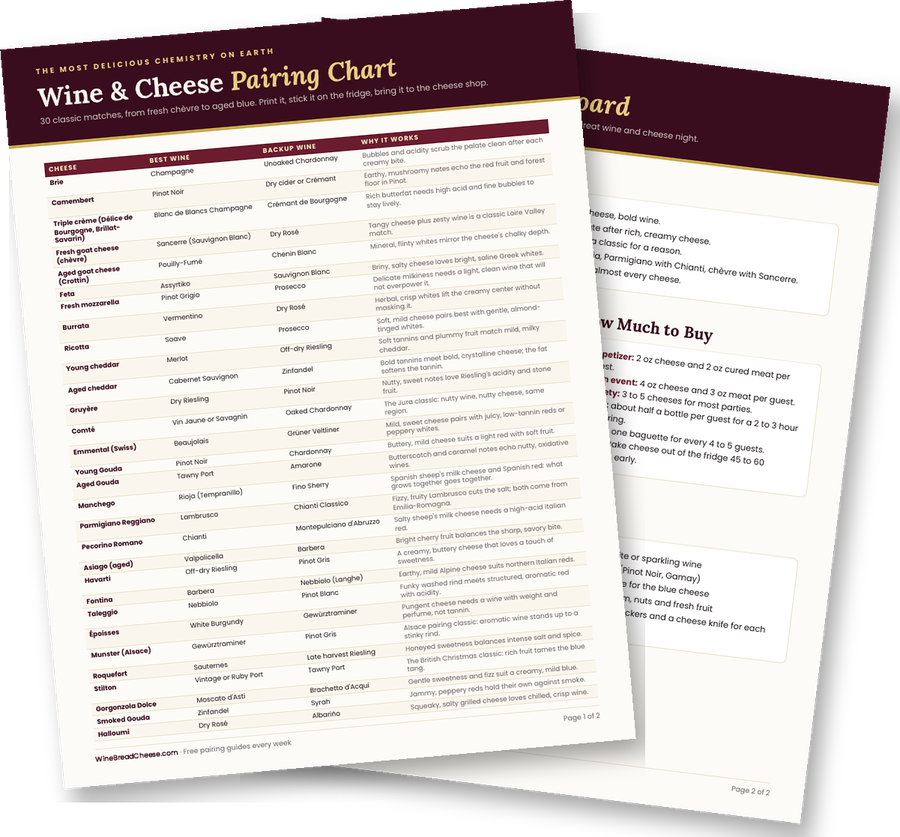
Have half a bottle left? Make a quick cheese plate. Our wine and cheese pairing rules and types of cheese guide will help you match what you have open.
Frequently Asked Questions
How long does red wine last after opening?
Most red wines last 3 to 5 days after opening when recorked and stored in a cool place or the refrigerator.
How long does white wine last after opening?
Most white wines last 3 to 5 days in the refrigerator with the cork or a stopper in place.
How long does Prosecco last after opening?
Prosecco lasts about 1 to 3 days after opening with a sparkling wine stopper in the refrigerator.
Can you drink wine that has been open for a week?
It is usually safe, but most still wines will taste flat or sour after a week. Fortified wines like Port and Madeira last much longer.