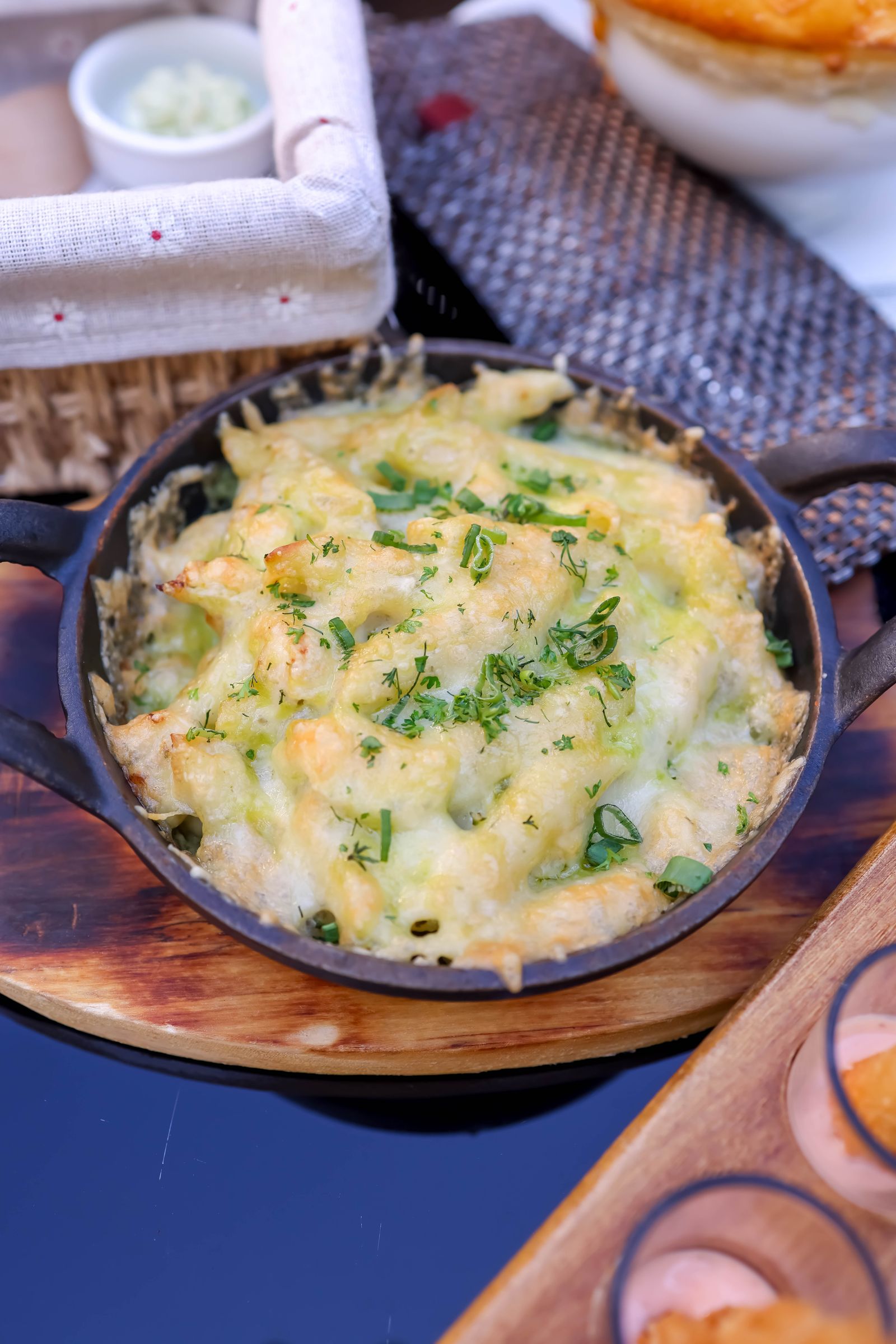
Quick answer: The best cheese for mac and cheese is a blend: sharp cheddar for flavor, plus a great melting cheese such as Gruyère, Fontina, Monterey Jack or Gouda for creaminess. A little Parmesan adds savory depth, and a slice of American cheese or a spoonful of cream cheese keeps the sauce extra smooth. A good ratio is about two parts cheddar to one part melter.
This post contains affiliate links. We may earn a small commission at no extra cost to you.
Great mac and cheese comes down to two things: flavor and melt. Some cheeses taste amazing but turn grainy or oily when heated. Others melt like silk but taste mild. The secret is combining them. Below we break down the best cheeses for mac and cheese, which to avoid, our favorite blends and, because this is WineBreadCheese, the wine to pour with every version.
What Makes a Good Cheese for Mac and Cheese?
The best melting cheeses are young to medium aged, with higher moisture and fat. As cheese ages it loses moisture and its proteins tighten, which is why very aged cheeses tend to clump or separate. That does not mean aged cheese is off limits. Use it in smaller amounts for flavor, alongside a reliable melter.
- Melt: creamy, stretchy cheeses like Fontina, Monterey Jack, young Gouda and Gruyère.
- Flavor: sharp cheddar, aged Gouda, Parmesan and blue cheese.
- Smoothness helpers: American cheese and cream cheese contain ingredients that keep the sauce glossy and stable.
The 8 Best Cheeses for Mac and Cheese
| Cheese | Role | Flavor |
|---|---|---|
| Sharp cheddar | Flavor base | Tangy, bold, classic |
| Gruyère | Melt and flavor | Nutty, slightly sweet |
| Fontina | Melt | Mild, buttery, earthy |
| Monterey Jack | Melt | Mild and creamy |
| Gouda (young or smoked) | Melt and flavor | Buttery or smoky |
| Parmesan | Flavor and topping | Salty, savory |
| Fontal or Havarti | Melt | Soft and mellow |
| American cheese | Smoothness | Mild, ultra creamy |
1. Sharp Cheddar
The backbone of classic mac and cheese. Choose sharp or extra sharp for the most flavor, and grate it yourself from a block. Pre shredded cheese is coated with anti caking starch that can make the sauce gritty.
2. Gruyère
Swiss Gruyère melts beautifully and adds a nutty, grown up flavor. It is a little pricier, so blend it with cheddar. Learn more about this family of cheeses in our types of cheese guide.
3. Fontina
Italian Fontina is one of the best melting cheeses in the world. It is mild and buttery and makes the sauce velvety.
4. Monterey Jack
Affordable, easy to find and an excellent melter. Pepper Jack is a fun swap if you want a little heat.
5. Gouda
Young Gouda melts smoothly, while smoked Gouda gives the dish a bacon like depth. Aged Gouda is best used in small amounts or grated on top.
6. Parmesan
Too dry to be the main cheese, but a handful stirred in or sprinkled over the breadcrumb topping adds savory punch.
7. Havarti
Soft, creamy and mild, Havarti is a good choice for kid friendly versions.
8. American Cheese
Love it or not, a slice or two of deli American cheese contains emulsifying salts that keep the sauce from breaking. It is the trick behind many ultra smooth stovetop recipes.
What Are the Best Cheese Combinations for Mac and Cheese?
- Classic: 2 parts sharp cheddar, 1 part Monterey Jack
- Grown up: 2 parts sharp cheddar, 1 part Gruyère, a handful of Parmesan
- Smoky: 1 part smoked Gouda, 1 part sharp cheddar, 1 part Fontina
- Extra creamy stovetop: sharp cheddar, Fontina and 2 slices American cheese
- Four cheese baked: cheddar, Gruyère, Fontina and Parmesan on top
Plan on about 1 pound of cheese per pound of dry pasta for a rich, saucy result.
Which Cheeses Should You Avoid?
- Pre shredded bagged cheese: the anti caking coating makes sauce grainy.
- Very aged hard cheeses as the main cheese: aged Parmesan or Pecorino alone will clump.
- Fresh cheeses like feta and goat cheese: they do not melt into a smooth sauce, though a little crumbled on top is tasty.
- Fat free or low fat cheese: it melts poorly and can turn rubbery.
Tips for a Smooth Cheese Sauce
- Grate your own cheese from the block and let it come to room temperature.
- Take the pot off the heat before adding cheese, then stir in a handful at a time.
- Never boil the sauce after the cheese goes in, or it may separate.
- Season well. A little Dijon mustard, garlic powder and a pinch of cayenne make the cheese taste cheesier.
- Undercook the pasta slightly if you are baking it, so it does not turn soft in the oven.
A sturdy box grater and a good enameled baking dish make baked mac and cheese easier.
What Wine Goes With Mac and Cheese?
Rich, creamy pasta needs wine with acidity, and the right pick depends on your cheese blend.
| Mac and Cheese Style | Best Wine |
|---|---|
| Classic cheddar | Lightly oaked Chardonnay or dry sparkling wine |
| Gruyère and Parmesan | Pinot Noir or Chablis |
| Smoked Gouda | Zinfandel or Syrah |
| Lobster mac and cheese | Champagne or white Burgundy |
| Spicy pepper Jack | Off dry Riesling |
| Bacon mac and cheese | Beaujolais |
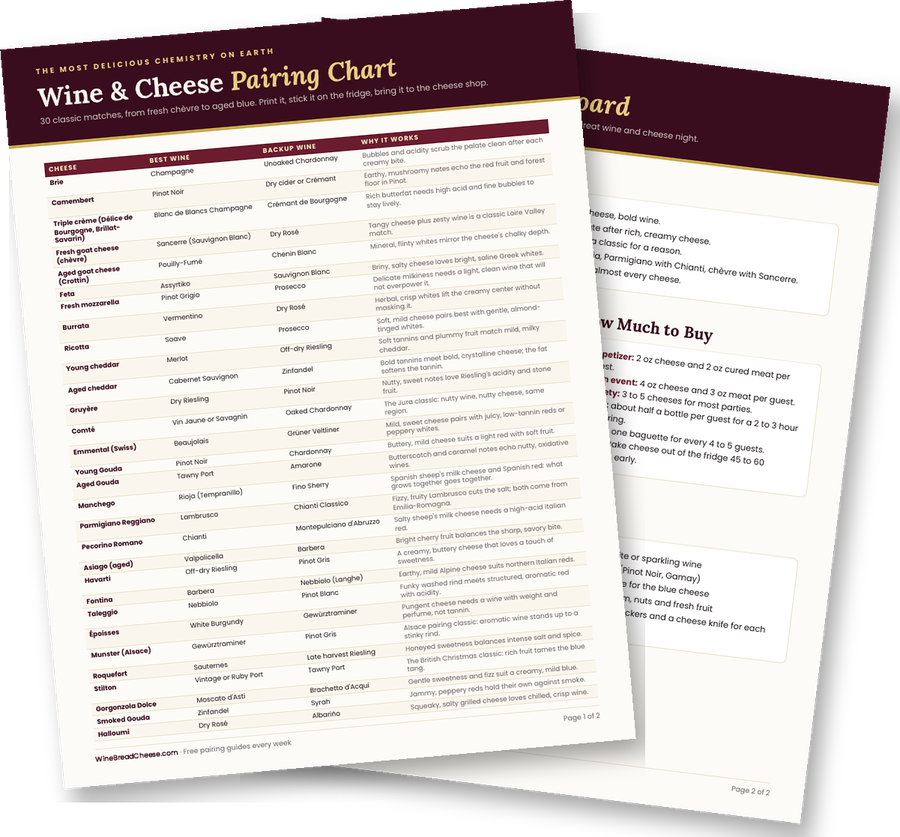
Not sure where to start? A bottle of Chardonnay works with almost every version. For more pasta pairings, see what wine goes with pasta, and keep our wine and cheese pairing chart handy.
Frequently Asked Questions
What is the best cheese for mac and cheese?
A blend works best. Sharp cheddar brings flavor, and a good melting cheese like Gruyère, Fontina, Monterey Jack or young Gouda makes the sauce creamy. Use about two parts cheddar to one part melting cheese.
Why is my mac and cheese grainy?
Grainy sauce usually comes from pre shredded cheese, which is coated in anti caking starch, or from overheating the sauce after the cheese is added. Grate cheese from the block and stir it in off the heat.
How much cheese do you need for mac and cheese?
Plan on about 1 pound of cheese for every pound of dry pasta for a rich, creamy result. Use a little less for a lighter sauce.
Is Gruyère good in mac and cheese?
Yes. Gruyère melts smoothly and adds a nutty, slightly sweet flavor. It pairs especially well with sharp cheddar and a little Parmesan.
What wine goes with mac and cheese?
Lightly oaked Chardonnay and dry sparkling wine are the most versatile choices. Their acidity cuts through the creamy sauce. Pinot Noir works well for Gruyère versions, and Zinfandel suits smoked Gouda.