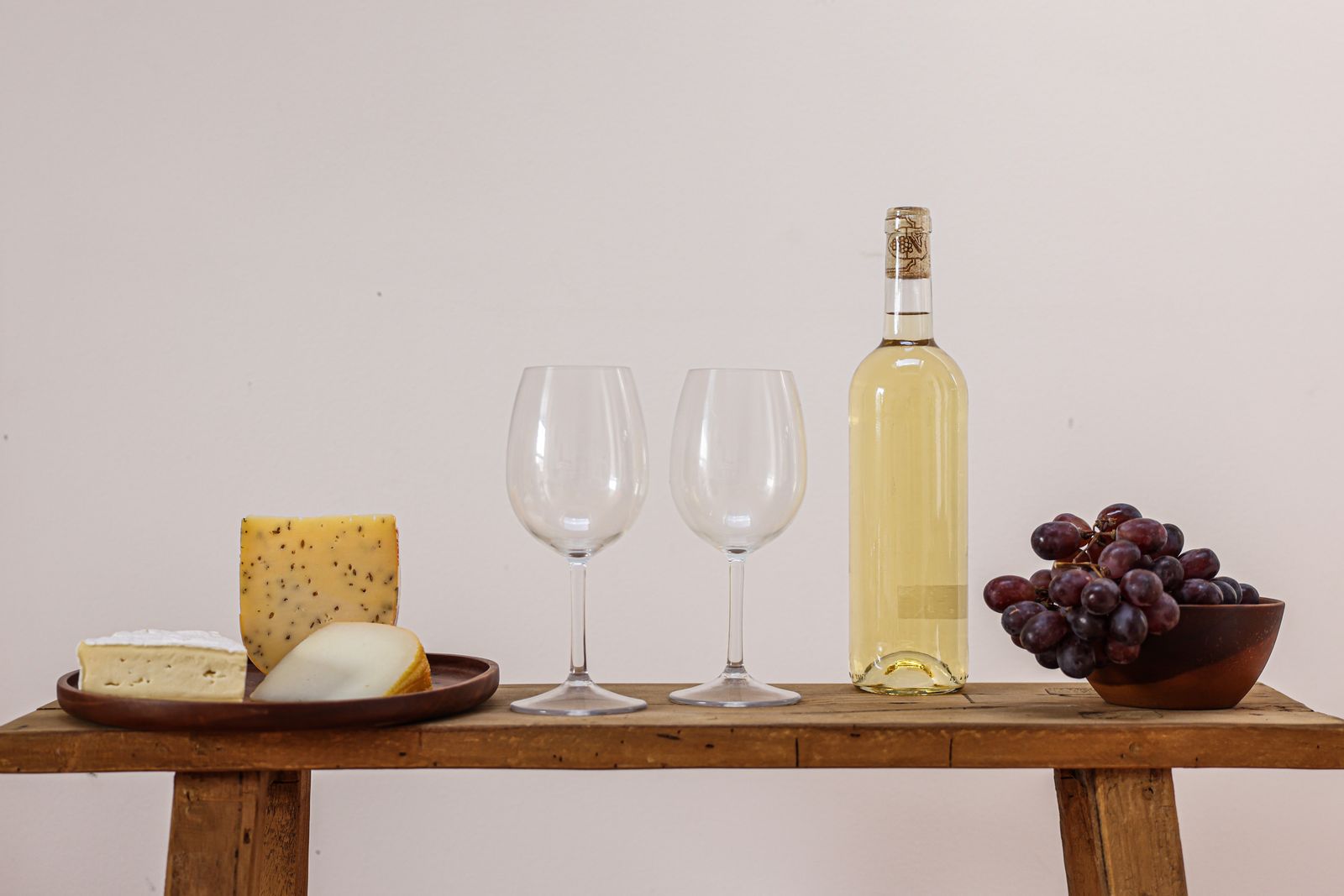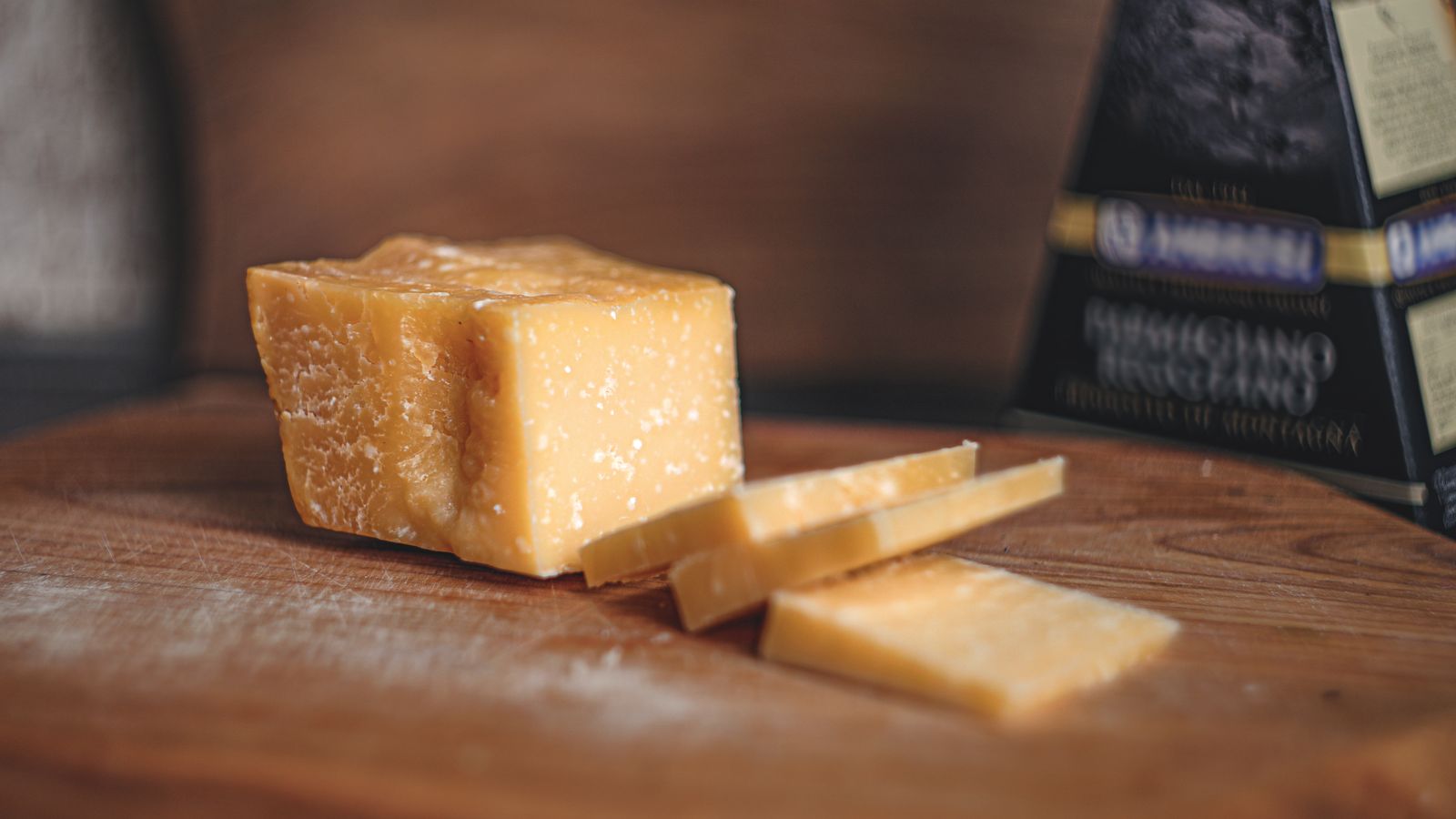
The short answer: real Parmigiano Reggiano is a protected cheese made only in a specific area of northern Italy and aged at least 12 months. Look for the name stamped in dots on the rind, buy wedges instead of pre grated cheese, wrap it in wax or parchment paper in the fridge, and pair it with Lambrusco, Chianti, Champagne, or Nebbiolo depending on its age.
Parmigiano Reggiano is often called the king of cheeses. It is nutty, savory, and slightly sweet, with crunchy crystals that develop as it ages. It is wonderful grated over pasta, but it is just as good on a cheese board with a glass of wine. Here is how to buy, store, serve, and pair it.
What Makes Parmigiano Reggiano Special
Parmigiano Reggiano has Protected Designation of Origin (PDO, or DOP in Italian) status in the European Union. That means it can only be made in a defined area that includes the provinces of Parma, Reggio Emilia, Modena, and parts of Bologna and Mantua, following strict rules. Production uses raw cow’s milk, rennet, and salt, with no additives, and wheels must be aged at least 12 months before they can be sold under the name.
Parmigiano Reggiano vs Parmesan
In Europe, “Parmesan” is legally treated as Parmigiano Reggiano. In the United States and some other countries, “Parmesan” can refer to similar hard cheeses made elsewhere, which vary widely in quality. If you want the real thing, look for the full name on the rind and label.
How to Identify the Real Thing
- Dotted rind markings: the words “Parmigiano Reggiano” are stamped repeatedly in pin dots around the rind.
- Label and seal: look for the DOP designation and the consortium’s markings on packaged wedges.
- Texture: it should be granular and crumbly, with small white crystals in older wheels.
Understanding Age
- 12 to 18 months: milder, milky, and slightly fruity. Great for snacking and salads.
- 22 to 24 months: the classic profile, nutty and savory with balanced crystals. The most versatile choice.
- 30 months and older: intense, spicy, and very crystalline. A showpiece for cheese boards, often served with balsamic vinegar or honey.
How to Buy It
Buy wedges cut from the wheel instead of pre grated cheese. Wedges stay fresh much longer and taste far better. Choose a piece with a moist looking interior and no dry, cracked edges. A wedge with a bit of rind is useful too, since the rind can flavor soups and sauces.
How to Store It
- Wrap the wedge in wax paper or parchment, then loosely in foil or place it in a container. This lets it breathe without drying out.
- Store it in the vegetable drawer or the warmest part of the refrigerator.
- Rewrap in fresh paper every time you use it.
- A well wrapped wedge can last several weeks. If a small spot of mold appears on hard cheese, many food safety authorities say you can cut off at least an inch around it and use the rest.
Read more in our cheese storage guide.
How to Serve It on a Cheese Board
Do not slice Parmigiano Reggiano. Break it into rough, bite sized chunks with a short, almond shaped Parmesan knife or a sturdy blunt knife. Breaking along its natural grain shows off the texture. Serve at room temperature, about 30 minutes out of the fridge.
Great companions include:
- Aged balsamic vinegar drizzled over chunks
- Honey, especially chestnut or acacia
- Pears, figs, and grapes
- Walnuts and Marcona almonds
- Prosciutto di Parma, from the same region
- Crusty bread or homemade crostini
Wine Pairings
- Lambrusco: the sparkling red of Emilia Romagna and a classic regional pairing. Dry Lambrusco cuts through the cheese’s richness.
- Champagne or Franciacorta: bubbles and acidity balance younger, saltier wedges.
- Chianti Classico or Sangiovese: bright acidity and cherry notes work with 24 month cheese.
- Barolo or other Nebbiolo: a powerful match for 30 month and older wheels.
- Amarone: rich and raisiny, a luxurious pairing with very aged cheese.
Explore more matches in our wine and cheese pairing chart.
Do Not Toss the Rind
The rind is edible but very hard. Drop a piece into minestrone, risotto, or tomato sauce as it simmers to add deep savory flavor, then remove it before serving.
Frequently Asked Questions
Is Parmigiano Reggiano lactose free?
Aged hard cheeses like Parmigiano Reggiano contain very little lactose because it breaks down during aging. People with lactose sensitivity should check with their doctor.
Is Parmigiano Reggiano vegetarian?
Traditional Parmigiano Reggiano is made with animal rennet, so it is not considered vegetarian by many people.
What is the best age for a cheese board?
A 24 month wedge is the most versatile. Add a 30 month or older piece for contrast.